
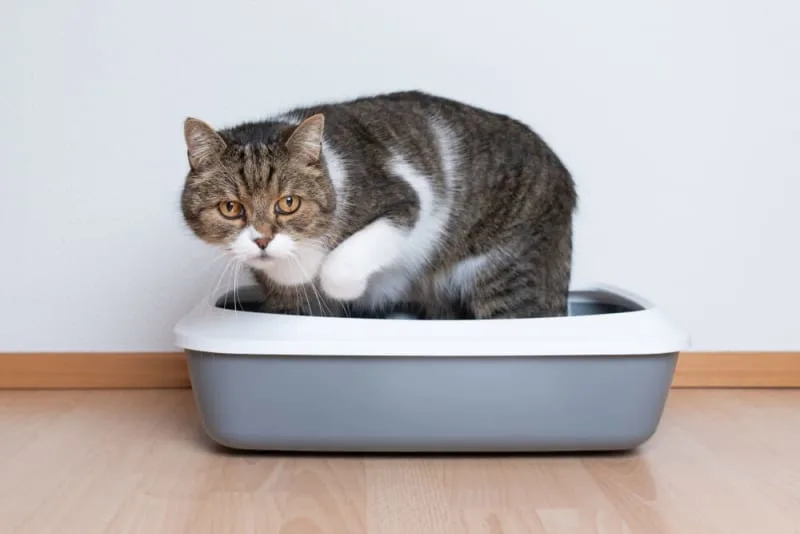
While bladder infections aren't seen often in cats, bladder stones are relatively common. Here, our Walnut Creek vets talk about the causes and symptoms of bladder stones in cats and the treatments available.
What Causes of Bladder Stones in Cats?
If your cat has been diagnosed with bladder stones, you are most likely wondering what is causing them. Bladder stones can develop when excessive amounts of certain minerals in your cat's urine start to clump together with other substances found in the bladder. Bladder stones could be caused by various factors including:
Breed predisposition
Dehydration
Poor diet
Medications or supplements
Extremes in urine pH levels (too alkaline or acidic)
Bladder inflammation caused by crystals
Bladder or urinary tract infection
Congenital liver shunt
It's believed that overweight male cats are at a higher risk of developing bladder stones.
2 Common Types of Cat Bladder Stones
There are several different types of bladder stones seen in cats, however, the 2 most common types are calcium oxalate and struvite stones.
Calcium Oxalate Stones
Calcium oxalate stones usually form in cats that have highly acidic urine. It's also common to see calcium oxalate stones in cats with high urine and blood calcium levels and in cats suffering from chronic kidney disease. These stones are most often seen in cats between 5 and 14 years old.
Struvite stones
Struvite stones are most common in cats with highly alkaline urine which could be the result of a urinary tract infection but this is not always the case. These bladder stones are often seen in cats that consume high amounts of magnesium, phosphorus, calcium, chloride, and fiber. A genetic factor could also contribute to a cat's risk of developing struvite stones since Siamese cats appear to be predisposed to developing struvite stones.
Signs & Symptoms of Bladder Stones & Infections in Cats
Symptoms of bladder stones are very similar to the symptoms of bladder infections in cats, this is partially due to the irritation caused within the bladder due to the stones. If your cat is suffering from bladder stones you may notice one or more of the following symptoms:
Lack of energy
Painful or difficult urination
Frequent urination in small amounts of urine
Urinating outside the litter box
Straining to urinate without producing urine
Blood in urine
Abdominal pain
Bladder stones can cause urinary obstructions in cats which are considered medical emergencies! A urinary obstruction occurs when your cat's urethra becomes blocked with a stone and your cat can't pass urine. Signs of urinary obstructions include:
Abdominal pain
Vomiting
Repeated trips to the litter box
Yowling or crying while in the litter box
Straining to urinate without producing urine
If you notice your cat straining to urinate or any of the other symptoms associated with urinary obstructions, contact your vet immediately or visit your nearest emergency veterinary hospital for urgent care.
Treating Cat Bladder Stones
The best treatment for your cat's bladder stones will depend on the type of stones they have. Some types of bladder stones, including struvite stones, can often be dissolved with the help of a therapeutic diet and medications.
Calcium oxalate stones can't be dissolved and are usually treated with cystotomy surgery to open the bladder and remove the stones. This surgery has an excellent success rate and most cats recover from this surgery relatively quickly.
How To Prevent Bladder Stones in Cats
It may be possible to prevent your cat from developing bladder stones. If your cat is a breed that faces a higher risk of developing bladder stones you might want to try the following:
Keep your cat's litter box clean to encourage them to urinate when they have to and not wait.
Ask your vet to recommend a food to help minimize your cat's likelihood of developing crystals that could lead to bladder stones.
Feed your cat wet food to help ensure that they are adequately hydrated. Good hydration can help to continually flush crystals out of your cat's bladder and prevent a buildup.
Ensure your cat gets enough exercise every day.
Make sure your cat always has easy access to fresh clean water.
Ask your vet before giving your cat nutritional supplements, especially supplements containing calcium, vitamin C, or vitamin D.
Note: The advice provided in this post is intended for informational purposes and does not constitute medical advice regarding pets. For an accurate diagnosis of your pet's condition, please make an appointment with your vet.
Contact our Walnut Creek vets straight away and make an appointment for your kitty if they are showing any signs of bladder stones, or bring them to the closest emergency animal hospital for urgent care.